
Homily - 112th World Day of Migrants and Refugees by H.E. Archbishop Giorgio Lingua, Apostolic Nuncio in israel
Dear brothers and sisters, I am glad to celebrate this World Day of Migrants and Refugees in Jerusalem, in a land that has seen so many migrants, exiles and refugees pass through, and still sees them today. This year the Holy Father, Pope Leo XIV, invites us to look at the phenomenon of migration through the eyes of the little ones, with the words of Jesus: “whoever welcomes one such child…” (Mt 18,5). He asks us to consider the vulnerability, but also the dignity, of migrant children, especially those traveling alone.
Allow me to begin this reflection with a family story. After the First World War, in a time of serious economic crisis for Italy, my grandmother’s brother left for Argentina, taking with him his wife and their still-small children. They had been promised work and prosperity; he found only more poverty and exploitation. Lacking the means, they were never able to return to Italy. A few years ago, I went to visit their descendants. One of the daughters who had left Italy at the age of two was still alive! They showed me the box, kept with great care, in which they guarded their treasures: the ticket for the ship they had sailed on, the 1921 passport, the wedding photos of my grandparents (which I had never seen before), and so many, many letters that my grandmother had written to her brother. They were never happier, they told me, than when a letter arrived from Italy.
Today, WhatsApp, Facebook and Instagram allow us to stay in daily contact with those we have left behind, but the pain of separation, the fear of the unknown, the nostalgia and the dream of returning one day remain the same. Many of you know well what I am talking about.
But let us see what the Word of God, proclaimed in this celebration, tells us. In the first reading, the prophet Hosea presents God leading his people into the desert. Why? To speak to their heart. The desert, a place of deprivation and solitude, becomes the place of the most intimate encounter with God. Many migrants know this experience: they cross deserts, seas and dangerous roads without knowing where they will end up. Faith and, above all, the hope of reaching the desired destination are put to the test. But the prophet assures us that God does not abandon his people. On the contrary, when we feel alone and weak, God makes his presence felt.
Then, if we run into an unexpected obstacle and it seems impossible to continue on our way, when it becomes hard to look ahead, we can always look up, lift our gaze to heaven. In those moments we feel the love of Someone who accompanies us, who is with us, someone who holds out a hand to us, always ready to speak to our heart.
“Make me know your ways, O Lord,” we prayed in the psalm. The psalmist, too, tells us that God’s ways are ways of mercy for those in need: “He guides the poor in what is right, he teaches the poor his way.”
In the second reading, the Acts of the Apostles show us the first Christian community, born right after Pentecost. It is devoted to the teaching of the apostles, to fellowship, to the breaking of the bread and to prayer. And then they add a moving detail: they sold their possessions and distributed them “to each according to need” (Acts 2:45). It seems to us a utopia; it is in fact the Gospel put into practice. That community had no extraordinary programs: it had learned to see a brother in the other person, and so it had learned to share, as one does in a family. This is exactly what we are called to do today as well, here, with the migrants we meet: not great projects, but the concrete reality of a community that leaves no one alone, where we bear one another’s burdens.
And now, we come to the Gospel of Matthew. A family, none other than the Holy Family, flees by night with a newborn child. Why do they flee? Because there is a king, Herod, who is afraid of a child and decides to eliminate him. Behind many desperate journeys there are violence, war or unjust decisions; and it is often the little ones who are the first to pay the price. The Son of God knew the road of exile before he had even learned to walk on his own.
Like Joseph, who is awakened by an angel in a dream, every migrant has their own angel, who may take the form of a friend, of a relative, of a circumstance, or who simply makes themselves heard through the voice of one’s own conscience. It is always a difficult choice, to set out toward the unknown: Will I find work? How will they treat me? Will I make it? This is why Pope Leo, in his message, asks us not to stop at the numbers, which are staggering and growing, but to look at the faces. Behind every migrant child there is the same vulnerability, the same urgent need to be carried to safety that the Child born in Bethlehem experienced.
And so, to conclude, let us turn to ourselves, migrants and residents gathered here. What can we do? In the booklet prepared by the Migrantes Foundation for this Day, I found the story of Nawwar. He was seven years old when war forced him to leave Syria with his family. After a very long journey through Turkey and Greece, he arrived in Germany, where he found a language he did not know, a new school, classmates he had never seen. At first, he was afraid, he felt different from everyone else. Then, in class, a boy named Alec came up to him, took an interest in him, helped him understand the lessons, learn German, and make friends. Day by day Nawwar found his smile again; he began to play, to study, to dream of the future. Today, now an adult, he remembers that what gave him courage was not the material things he received, but the simple friendship of that classmate who made him feel part of the community.
No grand strategy was needed; the natural simplicity and kindness of another child was enough. This does not excuse us from asking those who have the power to do so that children no longer have to flee and that those who arrive be protected. But it tells us that no one is too small, or too poor, to do something.
I think of those relatives of mine, who arrived in Argentina with their small children and the disappointment of having been deceived by false promises, and I take comfort in the certainty that they, too, will have found a little Alec who, without great means, made the distance less painful and their settling into a new society less difficult.
Dear brothers and sisters, let us not forget Alec. From him we learn that “whoever welcomes one such child in my name welcomes me” (Mt 18:5). Let us ask the Lord to open our eyes, so that we may recognize him in the most vulnerable migrants, especially in children forced to flee. And let us ask him to make us able to welcome them with concrete gestures of care and friendship, thus becoming a sign of his love for every foreign person we meet.
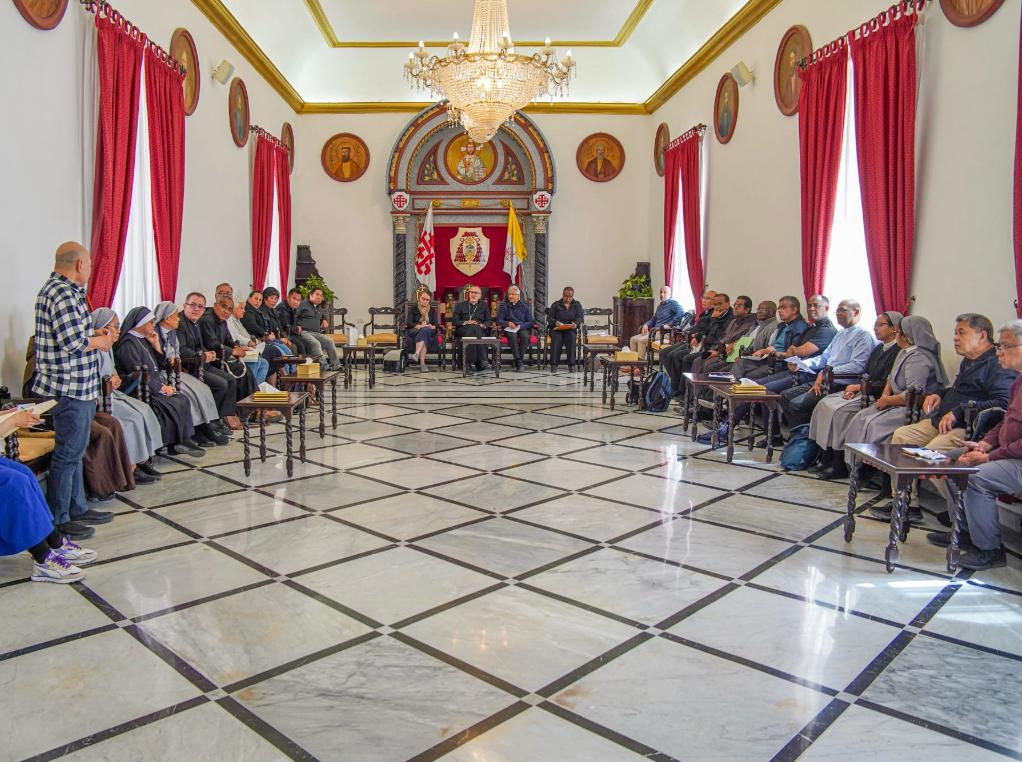 VMAS Pastoral Workers meet His Beatitude
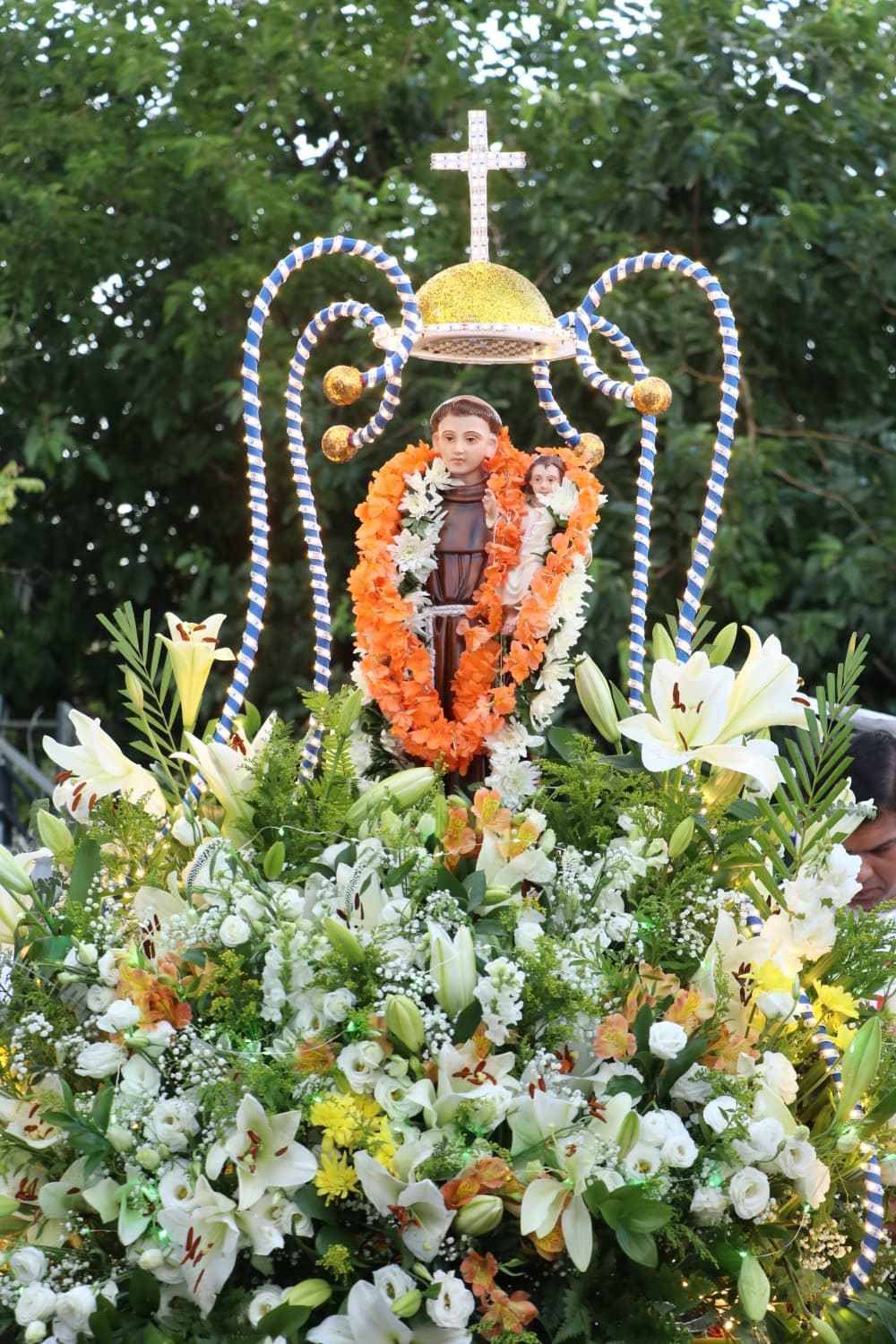 A Saint Across Continents: Konkani Catholics Celebrate St. Anthony in Israel
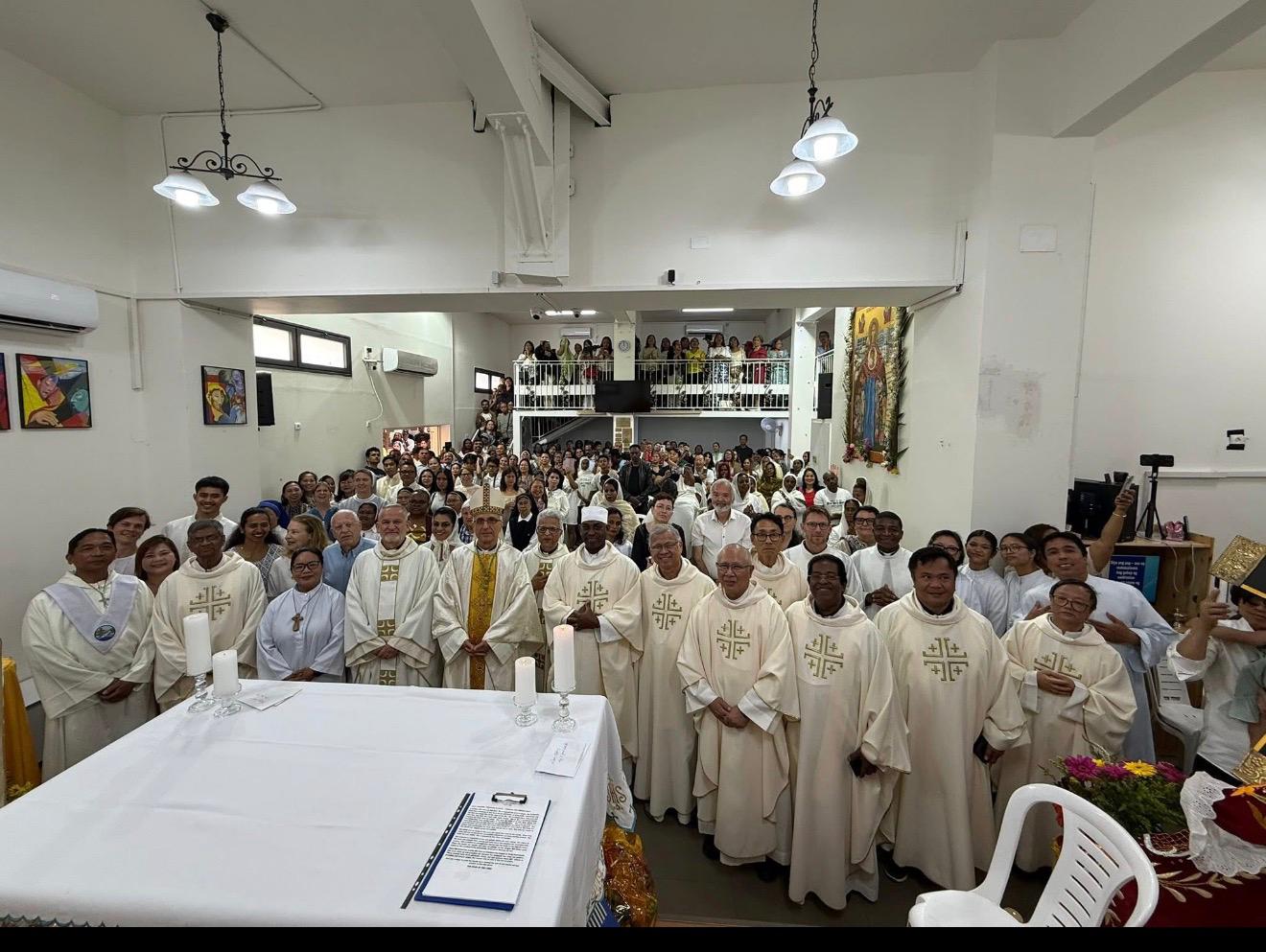 Feast of Our Lady Woman of Valor
 A Jubilee of Hope in a Time of Darkness
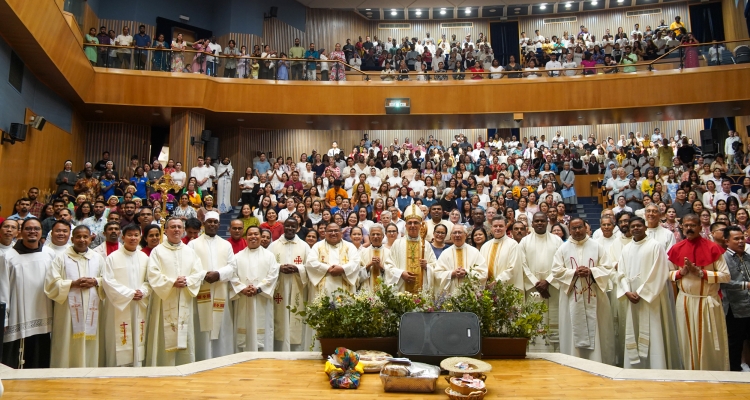 The Diocese of Jerusalem celebrates the 110th World Day of Migrants and Refugees
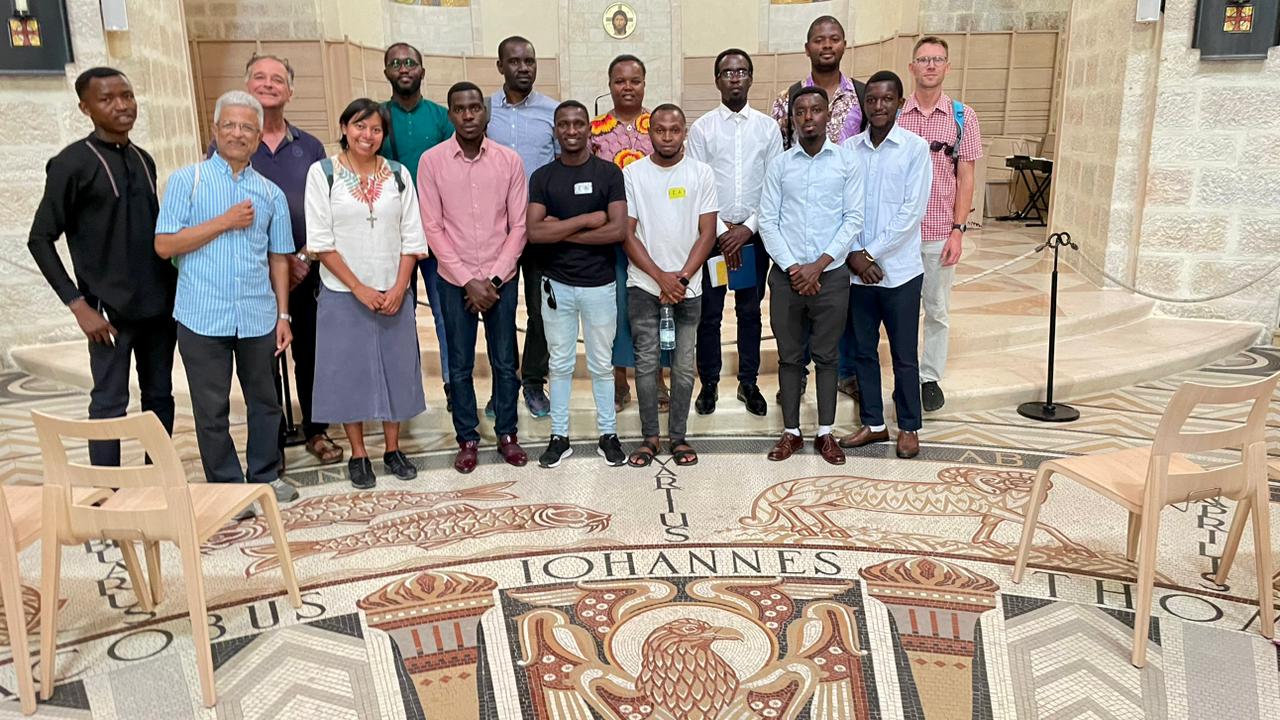 Annual Gathering - Saint Paul’s Students Society (SPSS)
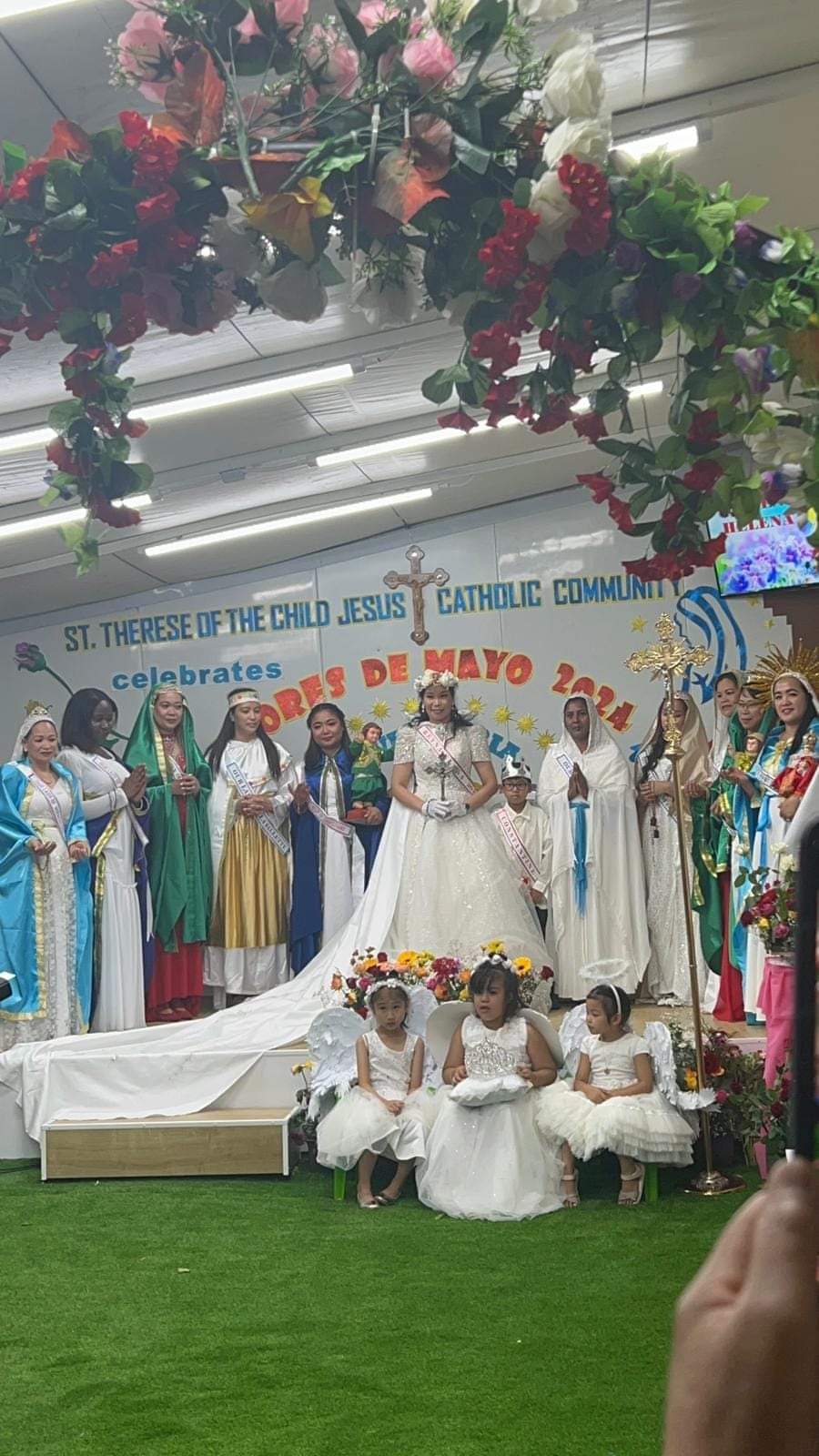 Flores de Mayo and Santa Cruzan celebrations at St. Therese of the Child Jesus Community Rehovot